1996
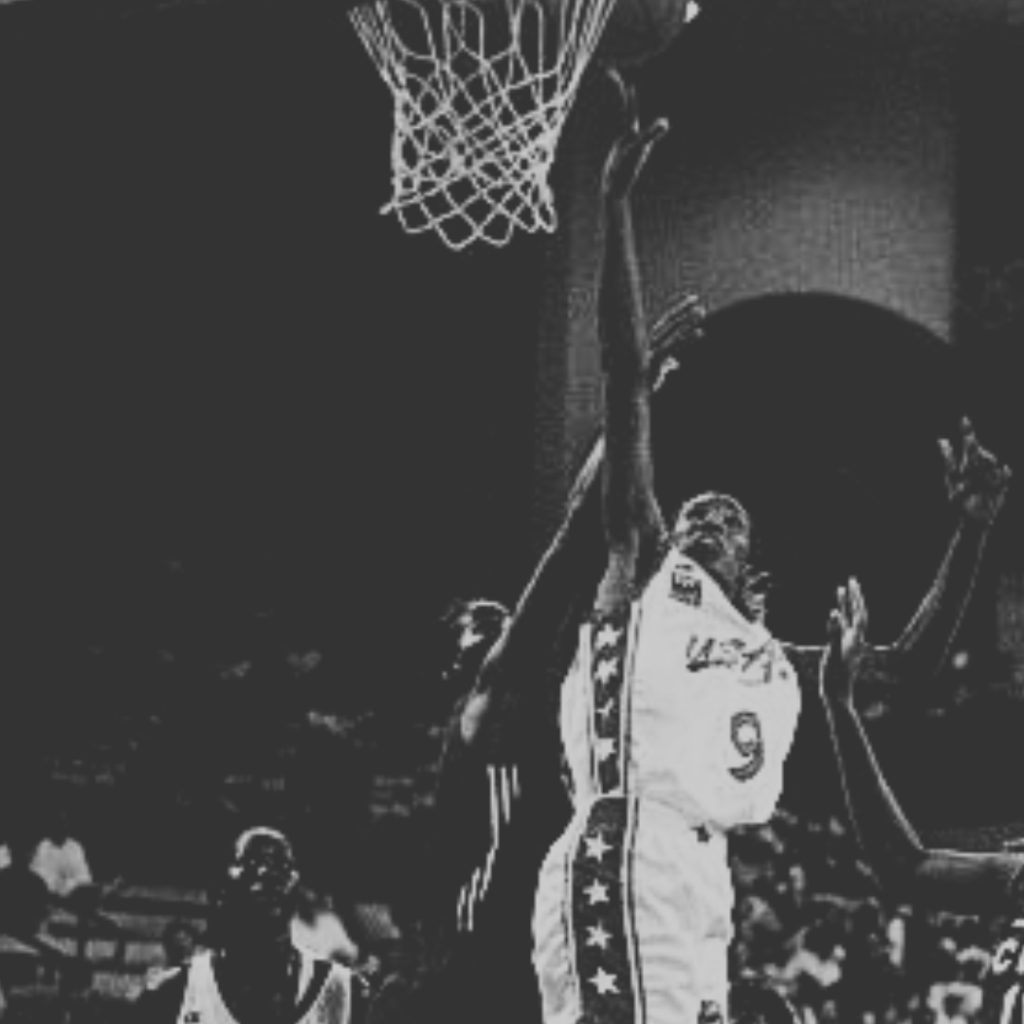
The United States women’s team defeats Cuba 101-84 to open group stage play at the Olympics in Atlanta. Lisa Leslie leads the U.S. with 24 points and seven rebounds. It kicks off a tournament featuring 12 teams for the first time, including inaugural appearances for Russia and Ukraine (which both formerly played under the Soviet Union and Unified Team banners).
1942
NCAA All-American Fred Hetzel is born in Washington, D.C.
1976
The United States men’s team improves to 3-0 in group stage play at the Olympics in Montreal with a 112-93 victory over Yugoslavia. Adrian Dantley leads the U.S. with 27 points, Scott May adds 24 points and seven rebounds, and Phil Ford has 16 points and nine assists. Drazen Dalipagic finishes with 22 points to lead Yugoslavia.
1979
Tamika Catchings is born in Stratford, New Jersey. Her father, Harvey, spent 11 seasons in the NBA and was playing for the 76ers at the time of Tamika’s birth.
The NBA comes to terms with the USA network to begin broadcasting games in the ’79-’80 season. It would lead to NBA games being viewable nationwide on cable television for the first time.
1986
Jason Thompson is born in Camden, New Jersey. He led Lenape High School to the 2004 New Jersey state title then stayed in-state to star for Rider University.
1988
NBA All-Star DeAndre Jordan is born in Houston, Texas.
2009
Former UCLA star Ed O’Bannon files a federal lawsuit against the NCAA for its usage of athletes in commercial ventures without their consent. The landmark case was brought about when O’Bannon realized his likeness (though not his name) was being used as a playable player in the EA Sports game NCAA Basketball 09. The case took place in 2014 and O’Bannon was victorious, in a decision that eventually led to the implementation of the Name, Image, and Likeness (NIL) regulations.
More on Team USA
- Branded crews: 15 collective basketball nicknames
- Leveling Up: Eight players who have won an NCAA title, Olympic gold medal, and NBA title
- Early adopters: 12 legendary women’s basketball players who pre-dated the WNBA
- All the commissioner’s men: Nine enduring NBA conspiracy theories
- Us against the world: Ranking the 18 U.S. FIBA World Cup teams
- Dream interpretations: Debunking 19 myths about the 1992 U.S. Olympic men’s basketball team
- Gold standards: Ranking the 18 U.S. men’s Olympic basketball teams
- American dream deferred: 15 greatest American players who have not participated in the NBA Olympics era
More on Entertainment and Media
- Dead air: Eight legendary NBA players who struggled as television broadcasters
- Primetime players: 14 notable NBA crossovers with Saturday Night Live
- Won’t see my picture on the cover: 10 NBA Finals that weren’t featured on a Sports Illustrated cover
- Faces in the crowd: 12 NBA celebrity superfans
- Boomshakalaka!: Ranking the 27 rosters from the original NBA Jam (1993 arcade edition)
- Soles power: 16 notable signature basketball shoes
- Media matters: A history of the NBA in 12 television rights contracts
- Golden voices: Eight NBA announcers with retired microphones
- Video killed the radio star: Seven notable VHS releases from NBA Entertainment
- Strictly commercials: 19 memorable television advertisements starring NBA players
 Basketball, Listed